I’m not an expert on Japan or traveling there by any means, but I have been twice and am planning my third trip for 2027. I often get asked for my thoughts and recommendations on where to go and what to do, so I put together this guide!
Table of Contents
Kantō
Tokyo
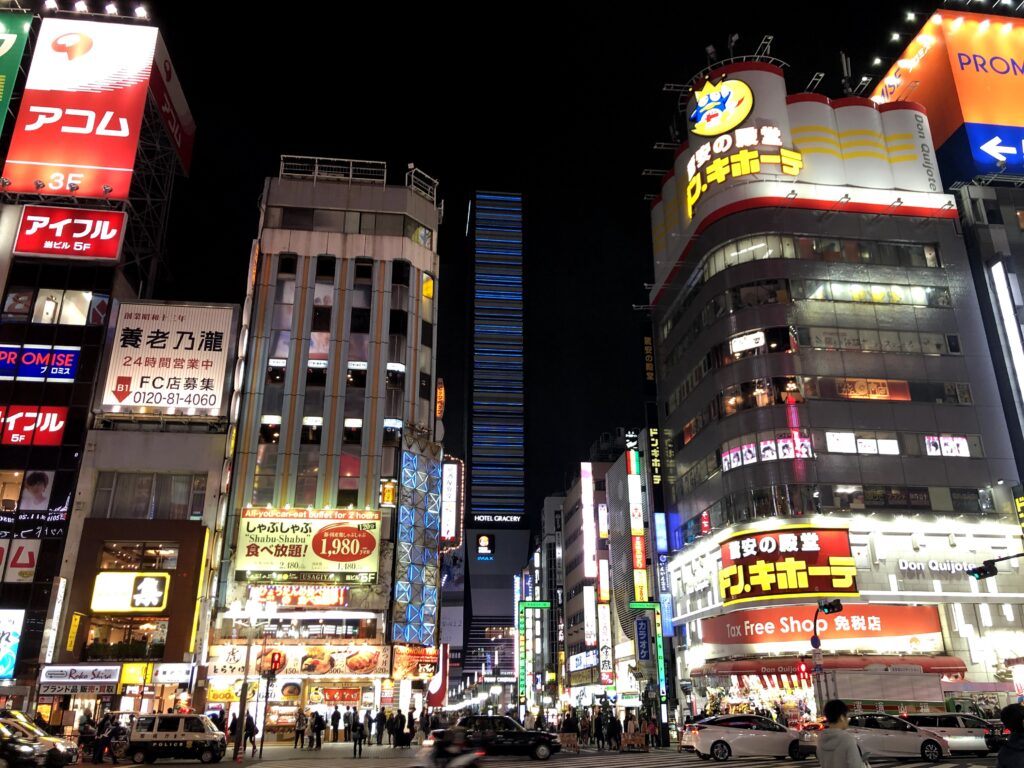
- If you’re flying into Narita, you can take the Narita Express train, which gets you to the main Tokyo Station in less than an hour. You can get pretty much anywhere from Tokyo Station.
- Stop at a 7-11, Family Mart, or Lawson on the way to your hotel to pick up your first of many rounds of snacks
- I’ve stayed in Kanda (Sotetsu Fresa Inn Kanda) and Akasaka (Sotetsu Fresa Inn Tokyo-Akasaka), and personally preferred Kanda. Kanda has several walkable smaller neighborhoods including Akihabara (video games) and Jimbocho (bookstores), and it’s centrally located with a major JR station to get you anywhere else in the city.
- Senso-ji is the oldest temple in Japan and is very much worth a visit. It gets very crowded, so it’s best to go early in the morning. The surrounding neighborhood, Asakusa, is worth wandering, and includes Kappabashi Street (for all things kitchenware).
- Bar Trench is incredible for craft cocktails and impeccable service. It was named one of the world’s best bars in 2025 and is the best cocktail bar I’ve ever been to.
- I absolutely love Japan’s tradition of listening bars and coffee shops, where they play music on audiophile equipment and you shut up and listen while enjoying a beverage. Bar Luther is named after two important American Luthers – Martin Luther King, Jr. and Luther Vandross – and plays exclusively “’70s and ’80s soul and black contemporary” on vinyl.
- Speaking of vinyl: Tower Records Shibuya has nine floors, including one dedicated to vinyl, and feels like going back in time to 1995. If you’re looking for used records or CDs, the five Disk Union locations, especially the five-story one in Shibuya, are great, especially for jazz.
- I have not been to any of the TeamLab exhibitions, but they’re extraordinarily popular
- There are 7 Pokémon Centers in Tokyo, and the largest is the DX store next to Tokyo station. If you or anyone you love loves Pokémon, the DX store is pretty incredible. They have plushes of literally every single Pokémon and an incredible amount of Pokémon merch.
- If you’re going to Tokyo in the summer, it will be very hot and muggy, with temperatures around 90 degrees and humidity over 70%. Plan for regular indoor breaks and plenty of hydration. Many rail stations and malls have underground paths so you can avoid being outside for too long!
Yokohama
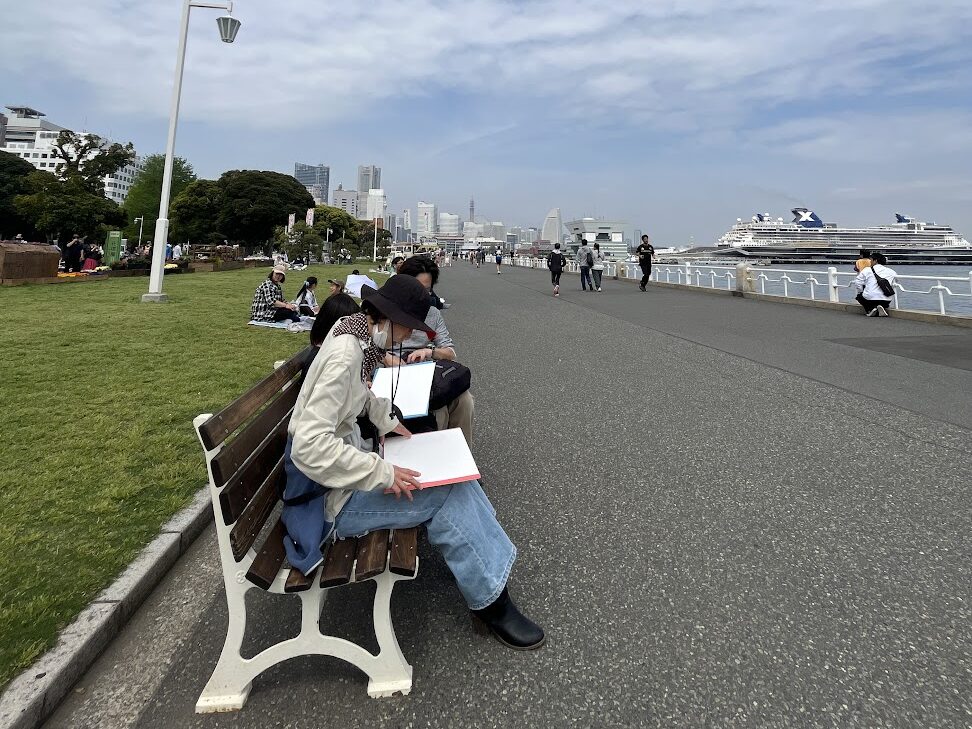
- Yokohama is an easy day trip from Tokyo, less than an hour by train
- It’s the second largest city in Japan, but feels significantly different from Tokyo as it’s on the waterfront and feels more spread out and quiet
Kansai
Osaka
Kyoto
Hakone
Nara
Kinosaki Onsen
Chūgoku
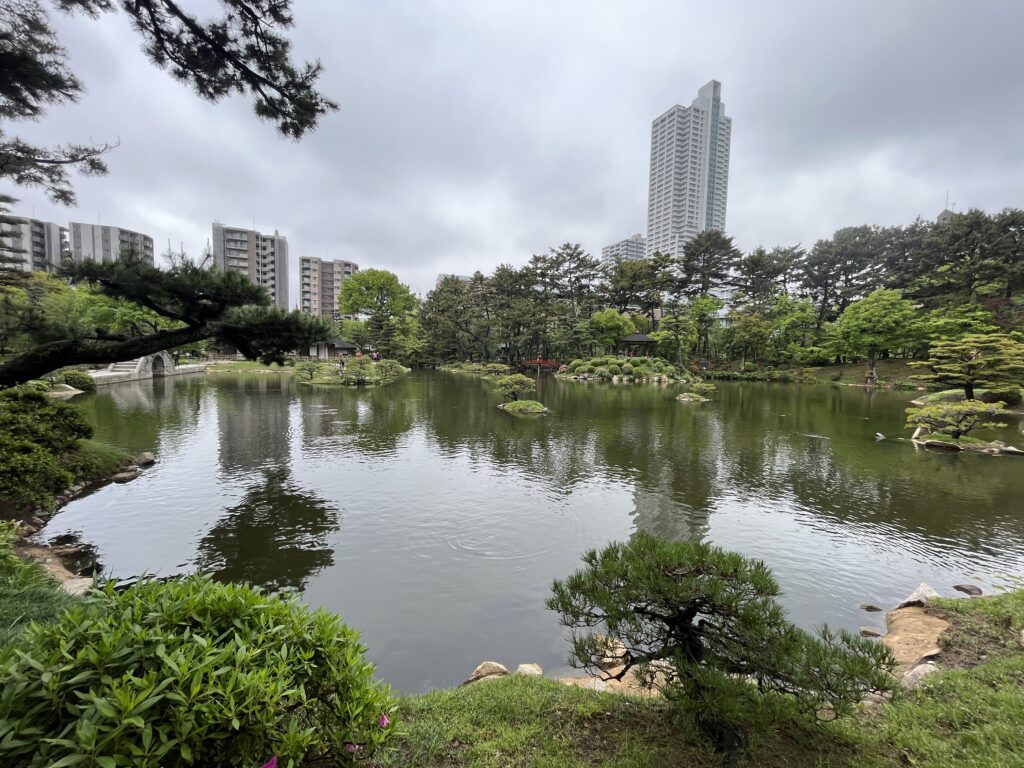
Hiroshima
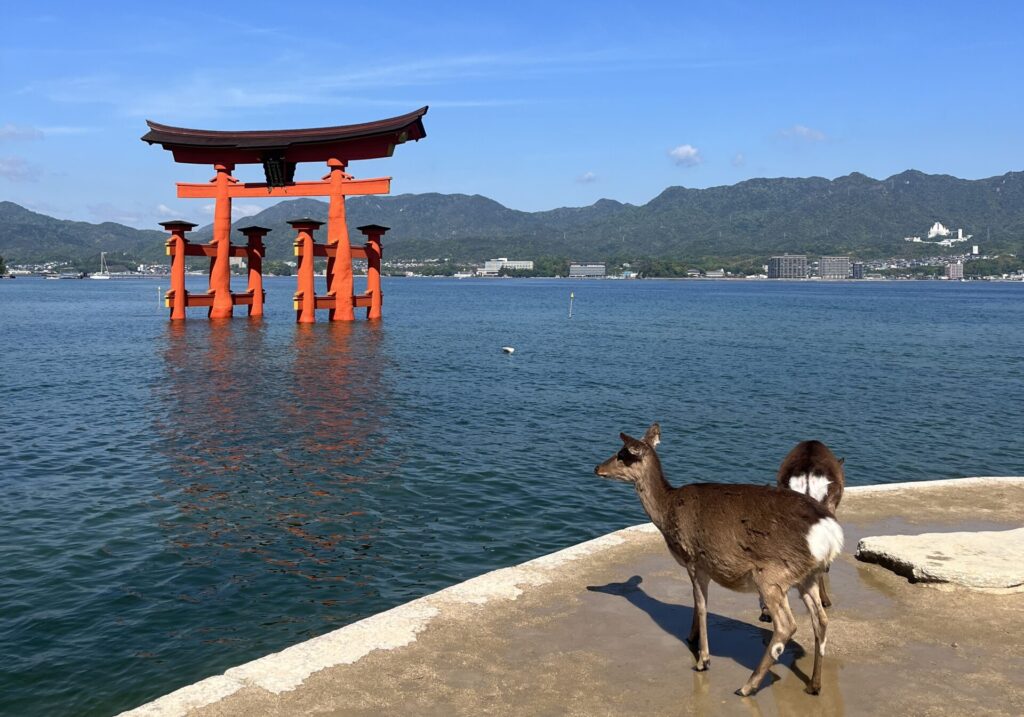
Miyajima
Tips & Tricks
General
- If you care about animals, avoid animal cafes, zoos, and aquariums in Japan. I know, I’m a killjoy. But Japan has a very weak record on animal rights, and the animals you see in these places are not treated being treated well. This is obvious when you go to places like Ueno Zoo, where encloses for animals are significantly smaller and dirtier than you will see at American and European zoos.
- In major cities, you can easily get by without any Japanese. Transit signage is always in both Japanese and English, and most restaurant menus are in English and/or include images so you can point to what you want. That said, a well-placed “sumimasen” (excuse me) or “arigatou gozaimasu” (thank you very much) is always appreciated!
- Public trash cans are extremely limited in Japan due to the 1995 Tokyo subway sarin attack. It’s always helpful to keep a plastic bag in your backpack for trash that you can empty out when you find a trash can.
- Paper towels aren’t a thing in bathrooms in Japan. Most bathrooms have hand dryers, but a little towel is always useful to have in your bag, anyway.
- Most bathrooms have bidets and they are magical. I bought one for home immediately upon returning from my first trip.
Cash & Credit
- The vast majority of stories in large cities take and prefer credit cards. Make sure that your card does not have any international transaction fees (I use the Capital One Venture X Rewards card, which also paid for my Global Entry) and always select the local currency/JPY option when you run your card for the best exchange rate.
- While some street and market vendors take cards, many don’t. Most major banks in the US can get you yen in a few business days, but it’s also easy to take out cash at 7-11 ATMs, which accept Visa debit cards. You will typically be charged a $5 flat fee plus any ATM fees from your bank, so I usually make one big withdrawal early in the trip to avoid multiple fees.
- Get a coin purse before you arrive, or get one at Daiso or Don Quijote. All currency that is 500 yen (less than $5 USD) and or less is in coins, so you will have a lot of coins. A coin purse will fit more coins than your regular wallet and give you more room to sort through them.
Food
- Like Italy, Japan is a place where you can find amazing food on nearly every block. Ingredients are fresh, quality is great, and service is perfect. This means that you really don’t need to plan/reserve any restaurants other than the ones that really require it. I see lots of people online planning out every single meal and scouring social media for recommendations, and I get that. But some of the best meals I’ve had in Japan were at restaurants that didn’t even have an English name on Google Maps and I found by wandering into an alley.
Lodging
- In addition to regular Western chains that you may recognize, there are many Japanese chains: APA, Sotetsu Fresa, Dormy Inn, etc. Do not stay at APA hotels – their owners are crazy right-wing religious extremists who do not deserve your money.
- I’m a big fan of Sotetsu Fresa Inns, which are similar to what Holiday Inns were like in the US in the ’90s. The rooms are small but comfortable, and their locations are often close to trains and sights.
- Japanese beds are rock hard, and if you stay in a traditional ryokan room, you will be sleeping on the floor on a tatami mat. Plan accordingly!
- I do all of my hotel bookings on booking.com, which allows you to book rooms without prepaying
- Airbnbs in Japan are not worth the hassle or money
Phone & Internet
- If you don’t have a plan that includes free international internet, you’ll need to rent a pocket wifi device. Japan Wireless is very reasonably priced and reliable. You can pick up the device at most major airports and return via any postbox in Japan!
- Even if you don’t travel internationally regularly, I highly recommend Google Fi. Their Unlimited Premium plan includes unlimited data in most countries, including Japan, and you don’t need to do anything special to use it.
Transit
- Google Maps is great for finding transit routes within a city, but use Hyperdia for finding routes between cities, particularly if you have a JR Pass. The app has a toggle that will allow you to request only JR line routes so you can use your pass.
- If you’re using Google Maps, pay attention to the exit gate information that it gives you in Tokyo. Most stations in Tokyo have at least four entrances/exits, and they can be a mile away from each other. The gate that Google gives you will be the closest one to your destination.
- Get an IC card in advance so it’s one less thing to worry about when you get to the airport. These are tap-to-pay cards that you can load and use for local transit just about anywhere, including Tokyo. I got mine with my JR Pass here. Alternatively, if you have an iPhone, you can use the Welcome Suica Mobile app. (There are no IC-compatible apps for Android for non-residents of Japan as of 2026.)
- If you’re traveling between cities, use this JR Pass calculator to determine if a JR Pass will be worth it for you. The JR Pass is an unlimited ticket for all Japan Rail travel. Most of the local trains in Tokyo are JR lines, and Japan Rail also runs many Shinkansen (high speed) trains. The cost of a JR Pass has risen significantly in the last several years, so unless you’re doing a significant amount of travel between cities, it may not be worth it compared to just paying for individual trips.
- The Shinkansen is 100% worth it for the experience, especially between big cities. Unless you are traveling during a major Japanese holiday, there is no need to purchase your Shinkansen tickets before you get to Japan. You can purchase any Shinkansen tickets at any station when you arrive. You will get two tickets: a base fare and a special Shinkansen ticket. You’ll need both to enter and exit.
- You can also reserve seats on the Shinkansen, which I recommend if you have luggage. It’s free to do with a JR Pass; just stop by a JR pass office at the station. I didn’t reserve a seat on my train from Odawara to Osaka and I had to stand crammed in the back of a car for most of the ride. There are cars for unreserved seats on each train, but there are usually only a few compared to a dozen reserved cars.
- If you don’t often travel on public transit, the train system is going to be extremely overwhelming. There are tons of people rushing every which way and a million different entrances, exits, and lines. I lived in Chicago for a long time and took the trains daily and it was still pretty overwhelming to me. Be prepared to be freaked out at first.
- Cabs are a serious waste of money unless you absolutely need one. With a little patience you can get anywhere you’re going in the major cities via train.
